In deze Nieuwsbrief:
IN BEELD: SUPERBio'S is begonnen
Het platform SUPERBio's staat; 'de film is begonnen'. We gaan werken aan de groei van biobased en nature-based interieurproducten en -projecten in ons land. Makers krijgen daarmee een - kostenloos - productpodium en de vraagzijde - interieurarchitecten, ontwerpers, inkopers etc. - kan zich eenvoudig oriënteren op biobased en nature-based interieurproducten. We gaan bijdragen aan de ontwikkeling van werkelijk duurzame interieurarchitectuur, met oog voor esthetiek en architectuurbehoeftes. Het kan 'The best design decade ever' worden met producten met een schone en veilige samenstelling en mogelijkheden voor natuurherstel.
Oproep aan Product-Makers
We roepen alle Makers - van ontwerpstudio's, werkplaatsen tot industriële producenten op, zich te registreren en hun interieurproduct(en)* -kostenloos- te plaatsen op het platform. Goed om te weten: SUPERBio'S acteert neutraal en verricht géén resell werkzaamheden.
Welke Early Birds Makers er al op het platform staan lees je onder punt 2. en 3.
Project georiënteerde 'Makers voorwaarden*':
. Makers hebben een volledige biobased of nature-based collectie of (een) eerste biobased product(en)
. materiaal winning en productie vinden plaats binnen de EU
. het aantal stuks dat geleverd kan worden, eventueel custom-made, en levertijden worden aangegeven
. de producten zijn projectgeschikt; van residentieel tot publieke ruimtes, technische data ingevuld.
2.
HOOFDROL-INTERVIEW
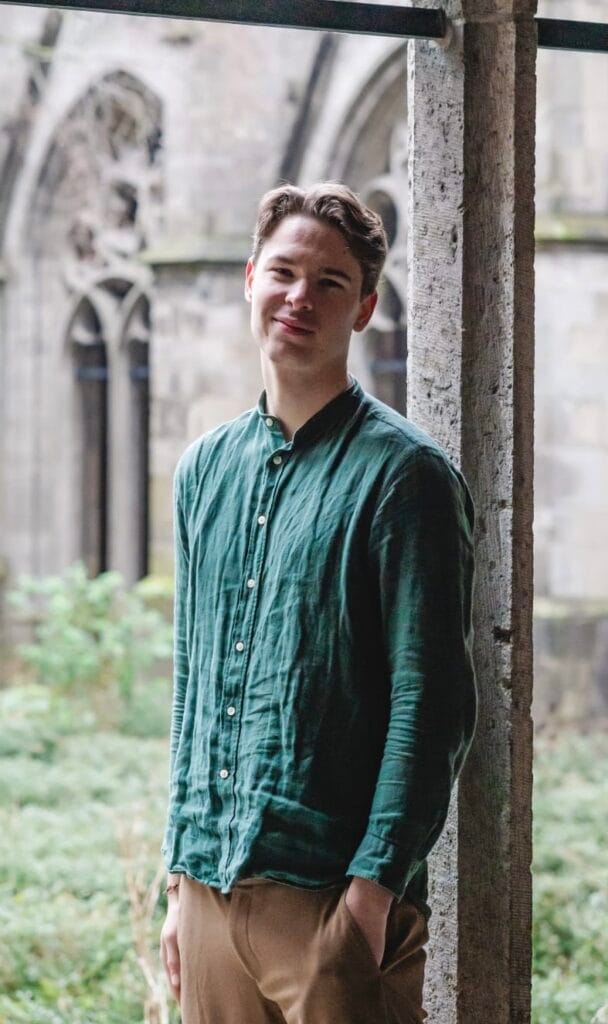
LOADS Collection 'is 's werelds 1e Demeter-gecertificeerd bedrijf in biodynamisch textiel
Het label ‘Loads Collection’ startte in 2022 vanuit Spannum, Friesland en is een uitbreiding op de allom geprezen Studio Claudy Jongstra.
Pas je de textiele interieurproducten van Loads Collection toe, dan kies je voor materialen en producten vrij van schadelijke pesticiden of insecticiden, hoogwaardig, sociaal vriendelijk en zelfs netto positief geproduceerd.
Foto: Jesk Jongstra, mede-eigenaar LOADS Collection
Wat is de materiaaltoepassing en hoe ziet de productie eruit van de LOADS collectie?
De LOADS Collectie bestaat uit kussens, spreien, hockers en custom-made producten op aanvraag.
De wollen textiel producten- van het biodynamische textiellabel LOADS Collection komen van het Drentse heide schaap en Spaanse merinoschapen.
De LOADS-collectie wordt met de hand geverfd in het verflaboratorium van Studio Claudy Jongstra met eveneens Demeter-gecertificeerde pigmenten die afkomstig zijn van samenwerkende biodynamische boerderijen.
Wat drijft jullie bovenal om biobased of nature-based te produceren?
Pas je producten van Loads Collection toe, dan kies je voor materialen en producten vrij van schadelijke pesticiden of insecticiden, hoogwaardig, lokaal, sociaal vriendelijke en zelfs netto positief geproduceerd.
Op deze manier worden er geen microplastics/PFAS in omloop gebracht en door middel van regeneratieve landbouw versterken we de natuur in woestijnen van Egypte maar ook in het monocultuur landschap van Nederland.
Onderzoek biodynamische landbouw Jurgen Fritz, Universiteit Kassel
Biodynamische landbouw laat significante verbetering zien op bodemvruchtbaarheid, vergeleken met biologisch. 31% Meer bodemvruchtbaarheid bleek uit onderzoek van Jurgen Fritz, Universiteit Kasselt. Ook slaan biodynamische landbouw gewassen 3 x zoveel CO2 op in vergelijking met organic en zelfs 11x in vergelijking met conventioneel. 20% Van de water vervuiling komt door synthetische verven, daarom werken wij plantgebaseerd. Daarmee versterken we ook de biodiversiteit omdat het om zeldzame rassen gaat.
De Biodynamische katoen productie voor de Loads producten vindt plaats buiten Europa, in Egypte, in zeer nauwe samenwerking met een betekenisvolle partner in regeneratieve katoenteelt - de Egyptische Biodynamische Associatie (EBDA). SUPERBio’S is voorstander van het beperken van transporten van materialen en productielocatie naar de projectlocaties. Maar er wordt een dermate hoog ambitieus productieniveau getoond, dat iedereen het zal begrijpen dat LOADS Collection alle aandacht verdient, ook omdat binnen Europa (nog) nauwelijks katoen geteeld kan worden en het een niet weg te denken textielmateriaal is.
Wat zou je ontwerpers en inkopers willen aanraden vooral wel te doen of juist na te laten?
Zich te veel te focussen op made in NL. Natuurlijk is het belangerijk om de ketens zo lokaal mogelijk te maken. Maar de manier hoe je iets produceert heeft wellicht een grotere impact op het milieu. Daarnaast zou ik inkopers willen adviseren om inzicht in de hele keten op te vragen. Als iets in NL gemaakt wordt kan het nog steeds voor een bepaalde behandeling heen en weer naar China gaan bijvoorbeeld.
NOOT VAN DE REDACTIE: Een product LCA geeft inzage in de gehele keten van de producttotstandkoming. De EPD is de verkorte weergave. Makers op Superbio’s kunnen aangeven over een EPD te beschikken.
Wat is jullie reactie als opdrachtgevers zeggen dat biobased duur is?
Het lijkt duurder maar de prijs die we er met zijn allen indirect voor betalen is hoger. Daarnaast is een gezonde woonkamer zonder PFAS en andere giftige stoffen een cruciale levensbehoefte die de investering dubbel en dwars waard is.
Waar hopen jullie met een aantal jaren vooruitgang in geboekt te hebben ?
We hopen onze afzet te vergroten, zodat we meer regeneratieve boeren kunnen ondersteunen bij het telen van verfgewassen. Tegelijk willen we inspireren en zo een positieve verandering op gang brengen in de manier waarop we textiel produceren.
Welk project wil je graag benoemen en waarom?
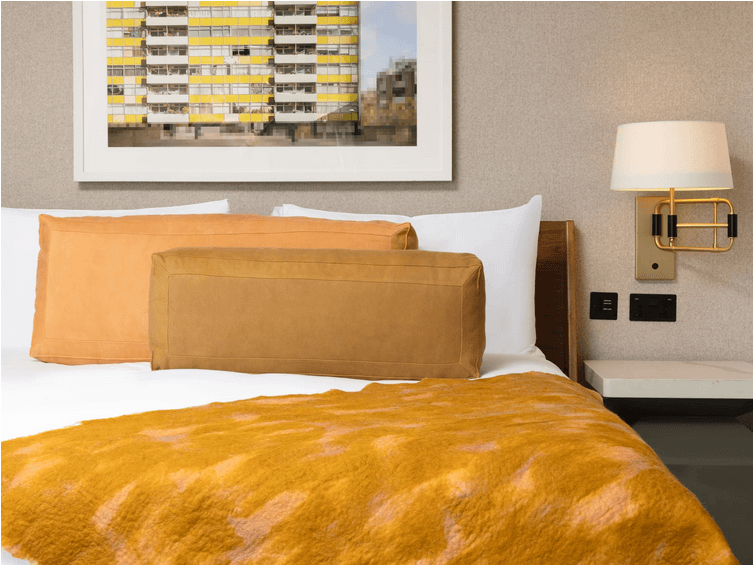
Ten eerste het Bankside Hotel in Londen waar we de suites ingericht hebben met op maat gemaakte bolsters (kussens) en plaids. Dit project was een groot succes voor het hotel, omdat het verhaal achter de ontwerpen veel gesprekken op gang bracht bij zowel gasten als hotelmanagers. Het ongewone idee dat textiel kan bijdragen aan klimaatoplossingen bood een hoopvolle boodschap, die bij veel gasten een authentieke en blijvende indruk achterliet.
En ten tweede de Roots Exhibition
Onze LC Ottoman eert vakmanschap en duurzaamheid met zijn krachtige geometrische vorm en verfijnde patchwork afwerking. Van de biodynamische Sekem-katoen, geverfd met natuurlijke pigmenten door Studio Claudy Jongstra, tot het circulaire frame van SAM-Pure board: elk detail viert de schoonheid en puurheid van de natuur als bewust en tijdloos alternatief voor fast furniture.
Als LOADS Collection vinden we het belangrijk samen te werken met andere ontwerpers en makers om zo de kennis en mogelijkheden van het materiaal en de manier van werken verder te brengen.”
“De LC Ottoman werd uitgelicht in de bekroonde Roots Exhibition van Simone van Es, “”The Last Supper, From a Different Perspective, op de Salone del Mobile 2025.”
Product Bolster - LOADS Collection, fotograaf: Marcel van de vlugt
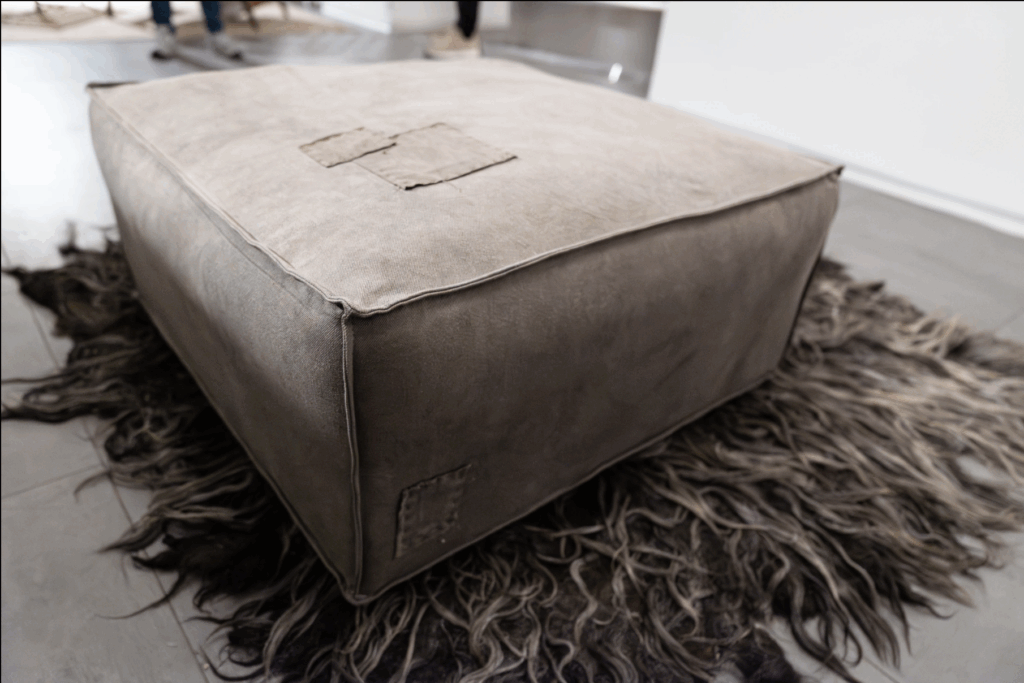
Product LC Ottoman - LOADS Collection
3.
PODIUM
DE EARLY ADAPTERS OP SUPERBio'S
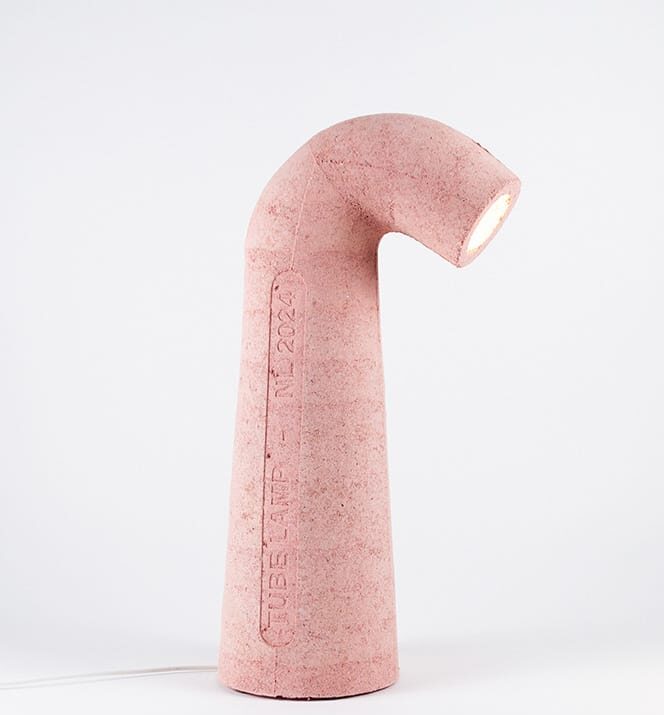
Tube Lamp van Studio Tom Schoonhoven, Eindhoven
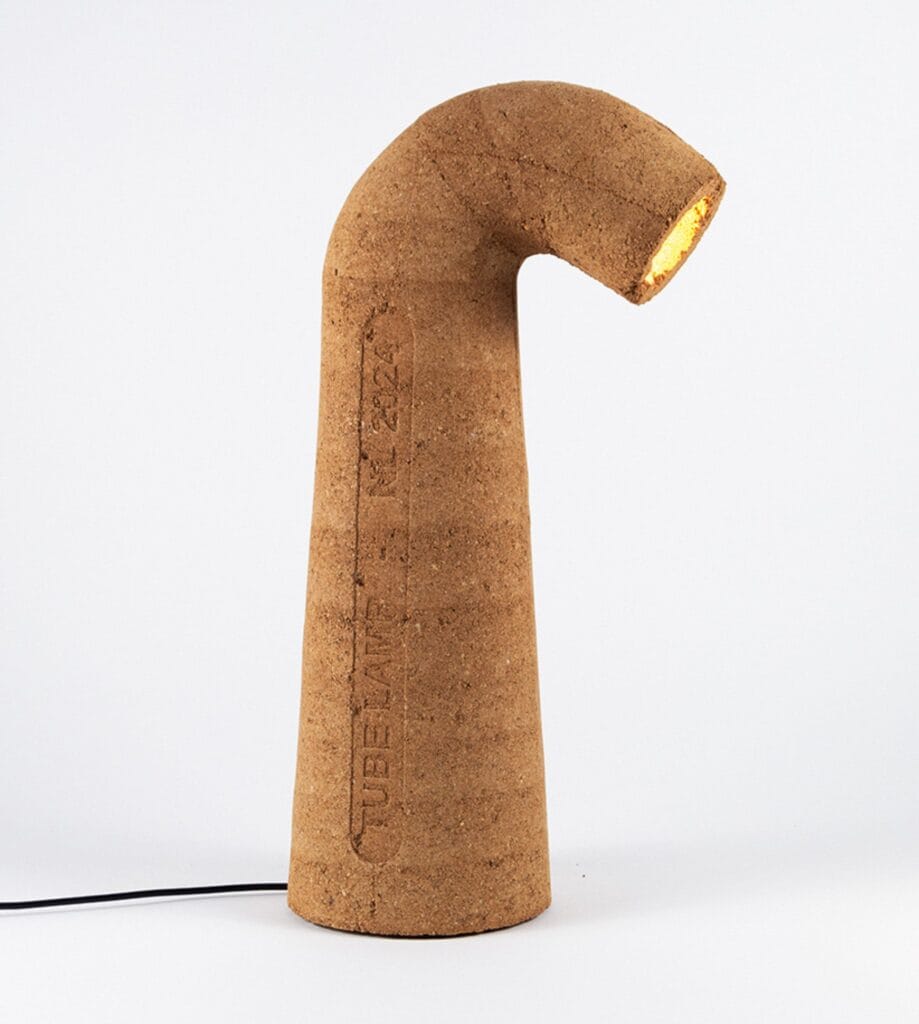
Het ingrediënt? Stampaarde.
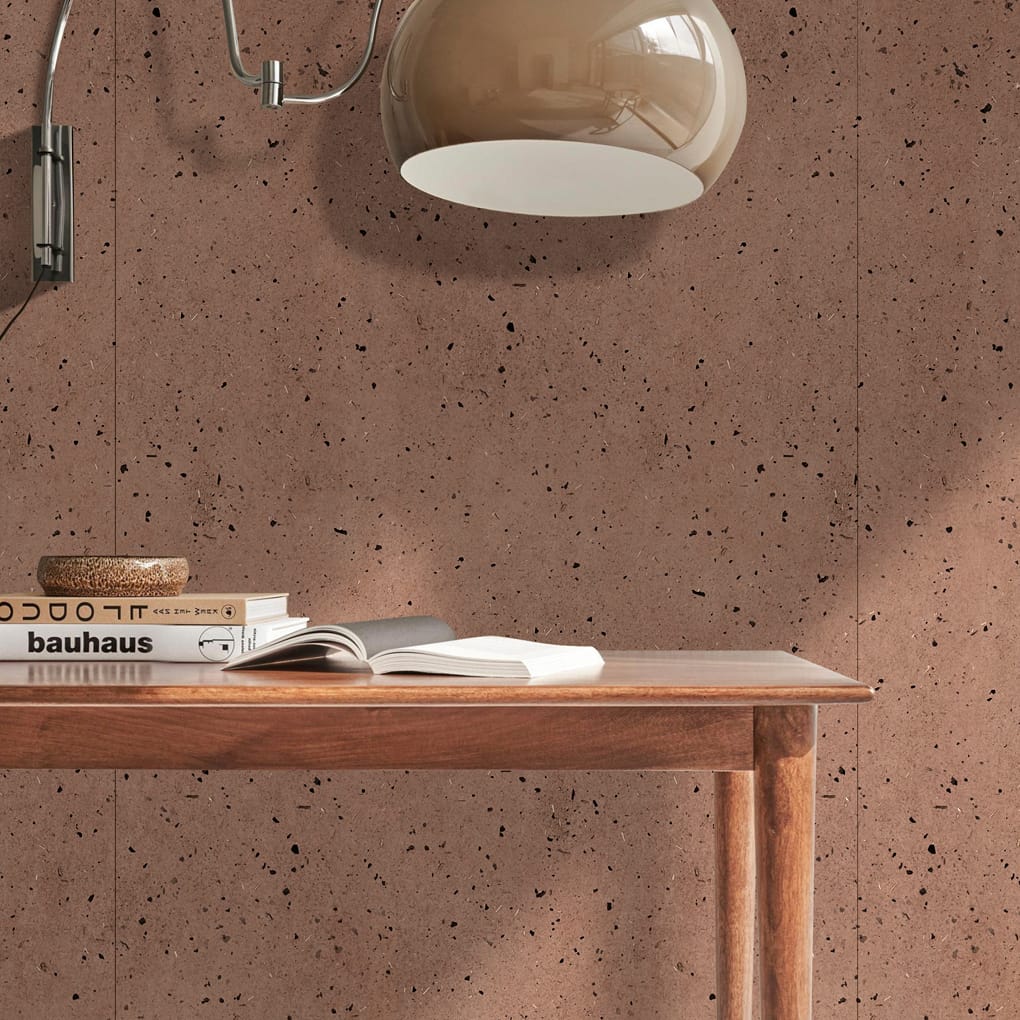
Akoestische wand(bekleding) van BestFelt van het Stille Verzet, Rotterdam
De Schragentafel van Circulair Warenhuis, Leiden
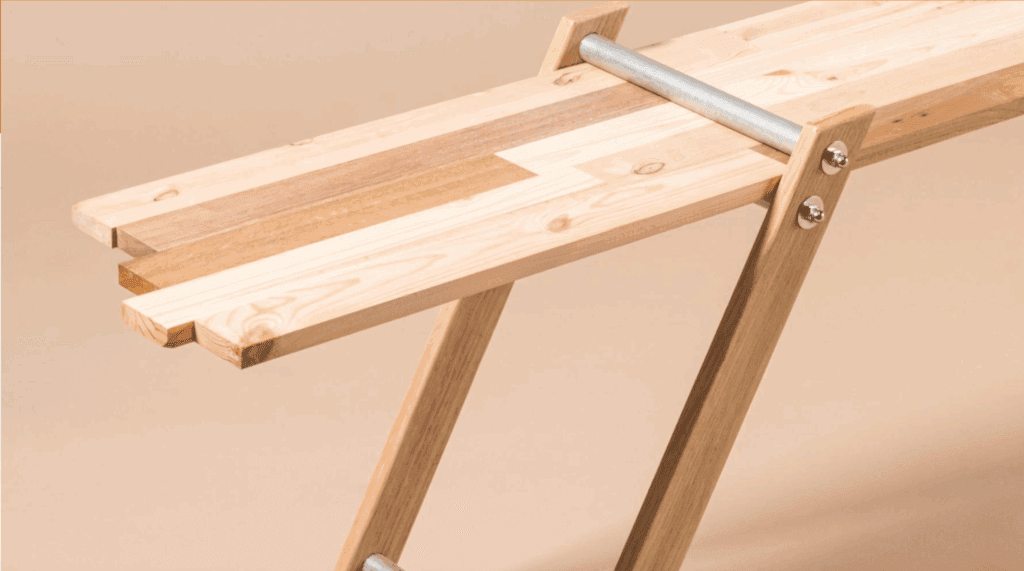
Demontabel, custos-made maten; van fsc gekeurd hout of herwonnen hout.
Compostboard black van Compostboard.bio
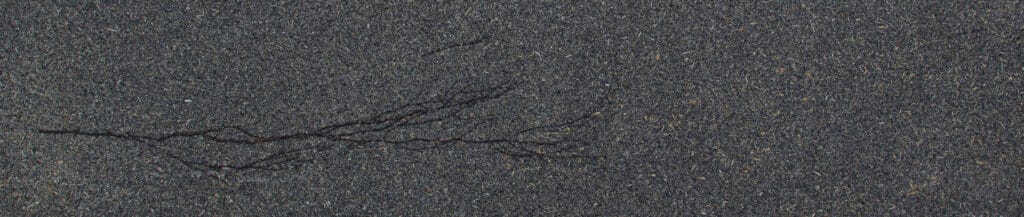
Post-waste paprika geschikt als tafelblad, andere meubelen en oppervlakte afwerkingen. Compostboard.bio werkt met diverse plantenresten w.o. ook hennep en vlas.
4.
PROJECT INSPIRATIE
Door Veenweide Atelier – Henriëtte Waal in samenwerking met Friso Wiersma, Meubelatelier Momentum
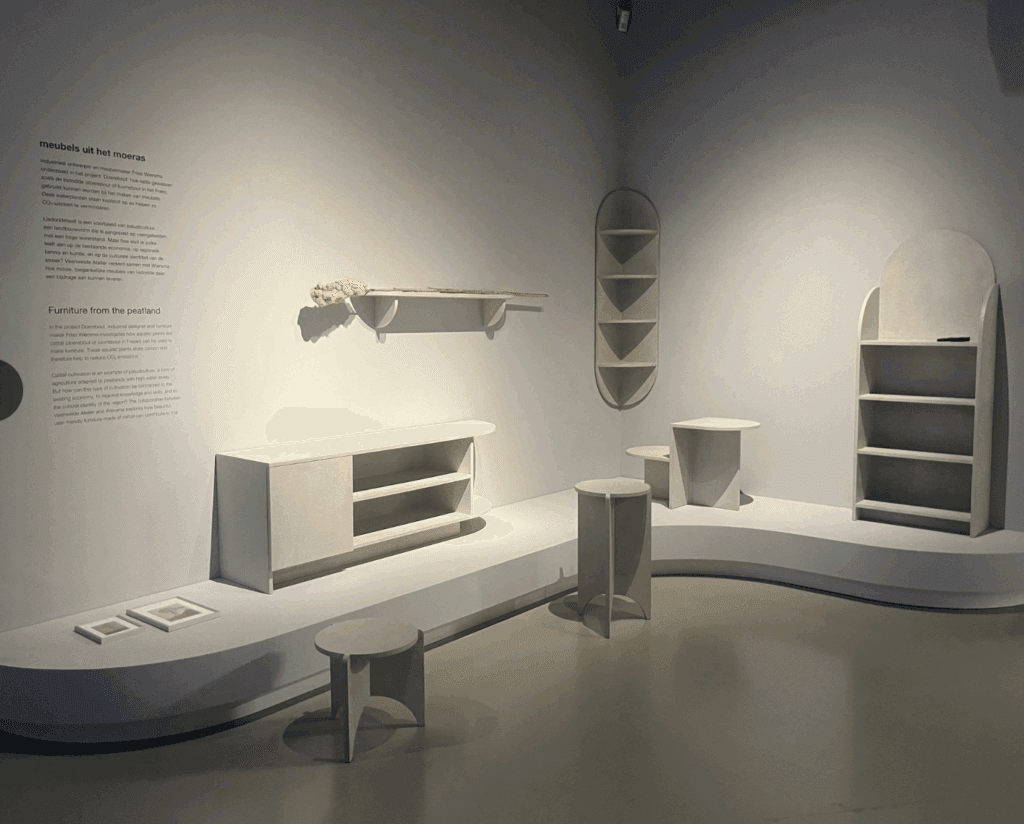
Doerebout (‘lisdodde’)meubelen voor de expositie ‘Meubels uit het moeras’. De expositie vindt plaats in het Fries Museum & Keramiekmuseum Princessehof. De foto’s zijn gemaakt door Henriëtte Waal & Brecht Duijf
Het Friese veenweidegebied heeft te maken met een opstapeling van landschapsgebonden problemen. De proefprojecten van Veenweide Atelier proberen met een eco-sociale blik alle lagen van die gestapelde crisis aan te pakken. Bij de Doerebout serie gaat het dan vooral om water, bodemdaling, en het beperken van CO2 en stikstof. Plaatmateriaal uit natte teelt werd gebruikt voor meubels, gericht op een groot publiek. Ontwerper Friso Wiersma zocht dit uit, samen met SAM panels en Meubelatelier Momentum. Zij ontwikkelden een serie alledaagse schaalbare meubels. De collectie varieert van een boekenkast tot een melkkrukje en van een muurplank tot een koffietafel. Ze zijn gemaakt van grasplaten met papier van lisdodde (‘doerebout’ in het fries) en afgewerkt met kalkwas.
Ook geïnteresseerd om met SAM panels projectmeubelen te maken? Kijk op superbios.nl/makers en vind gras, hennep en andere type panelen van SAM Panels .
5.
OPVALLEND NIEUWSWAARDIG
Het was op de Nacht van Biobased bouwen in Deventer '24 dat we konden kennis maken met niemand minder dan Jakob B. Strømann-Andersen van het Deense Henning Larsen. Een absolute frontrunner in Biobased (interieur)architectuur. Hun open source catalogi met materiaal CO2 metingen op een rij - 1 catalogus met interieur- en 1 met exterieurmaterialen - zijn een aanrader! Ga voor de interieurversie naar Unboxing Carbon: The Catalog van Henning Larsen.

PREMIÈRE
We hebben zelf al tientallen jaren ervaring, maar met SUPERBio'S staan we voor de eerste keer op de Dutch Design Week '25, Eindhoven :), 18-26 oktober 2025.
We zijn trotse deelnemer in het hoofd Klokgebouw,
Makers - studio, ambachtsmensen tot industriële producenten van biobased interieurproducten, kunnen zich nu aanmelden; ook voor toekomstige beursdeelnames.
WIL JE MEEHELPEN AAN DE BEKENDHEID VAN SUPERBio'S? Heel graag. Je kunt deze e-mailnieuwsbrief delen, ook via LinkedIn en je netwerk attenderen op het bestaan via de Social Media Links hieronder. Nodig vooral ook ProductMakers in je netwerk uit om hun producten -kostenloos- te uploaden.
Heb je tips of vragen dan stellen we het zeker op prijs die te horen.