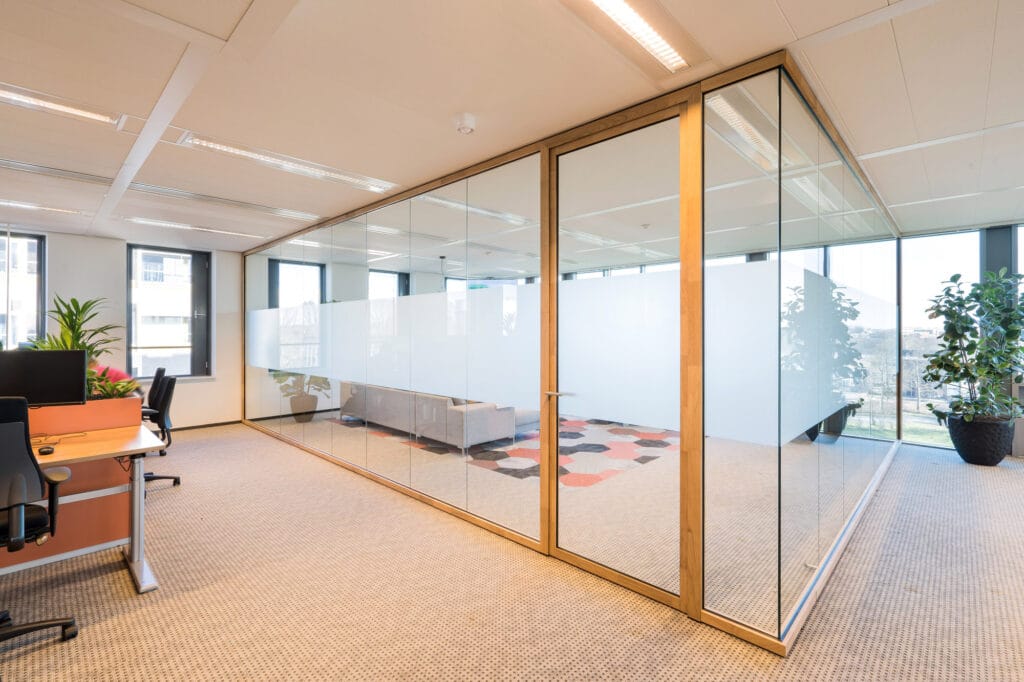
Lichtgewicht: zeer geschikt voor 'Optoppen':
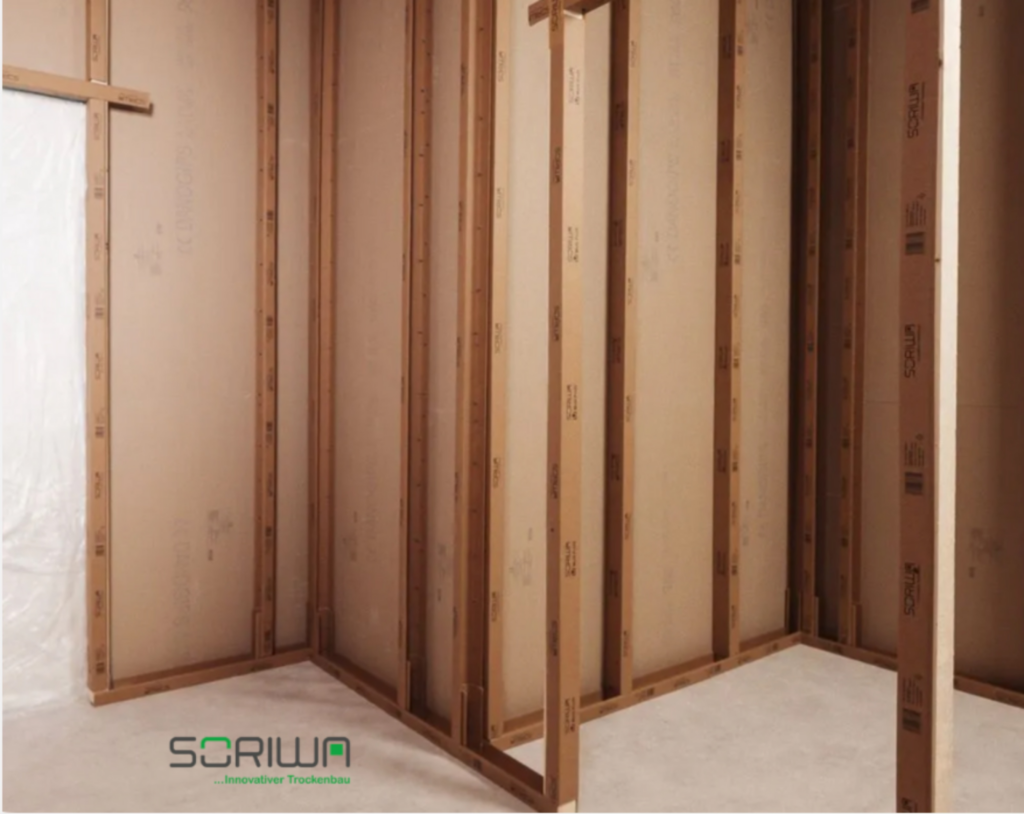
Kozijnen van karton in plaats van staal?!
Circq laat in Nederland zien dat sterke kozijnen van karton gemaakt kunnen worden. De kozijn profielen komen van het Duitse Soriwa en zijn daar volledig getest op bijvoorbeeld akoestiek en brandwerendheid.. De kartonnen profielen zijn gemaakt met gerecycled cellulose en hebben zelfs een negatieve CO₂-impact. Het product combineert David van Duffelen van Circq graag met hergebruikt gips tot een zeer duurzame, concurrerende combinatie.
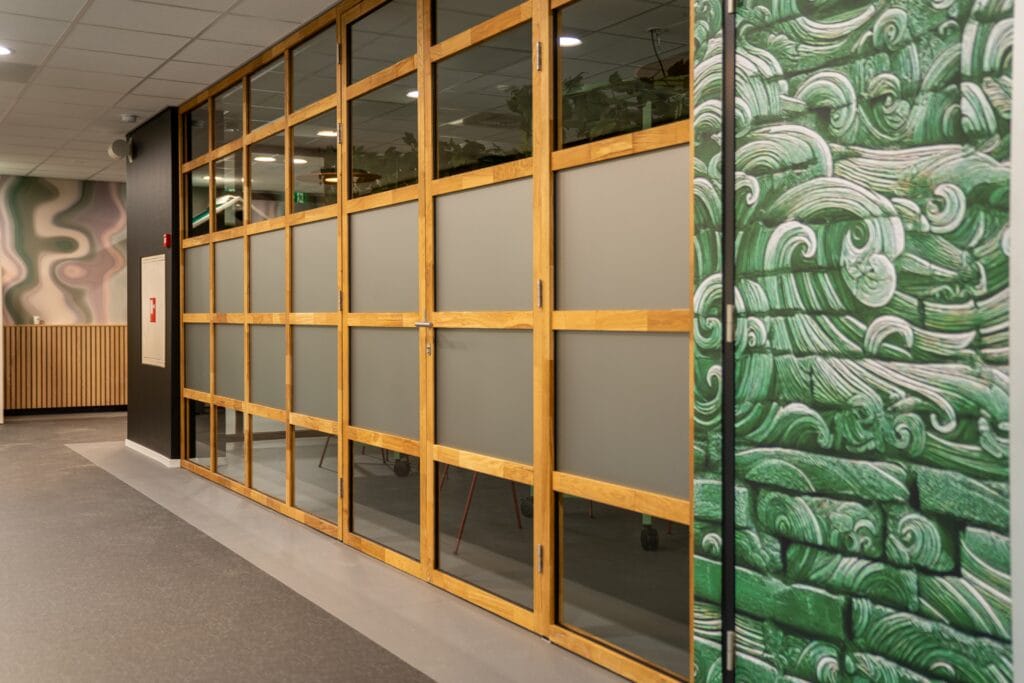
Extreem rank Eiken kozijnsysteem, gevingerlast en gefineerd
Op SuperBio's vind je ook het eigen wandsysteem WoodFrame Slim Oak van Intermontage uit Terwolde (Deventer), gemaakt van Europees eikenhouten tot een glazen wandysteem met een extreem ranke profilering van 60 mm. Er wordt gekeken naar de toepassing van recycle glas.
Intermontage in 1977 opgericht, heeft meer dan 100 medewerkers en is continue op zoek naar verdergaande verduurzaming in systeemwanden, maar ook bij de verdere invulling van de volledige interieur projecten die ze uitvoert. Er worden veel productie werkzaamheden in eigen huis uitgevoerd. Er werd een IM Academy voor opgericht. Binnen de Academy wordt er samengewerkt met Hogeschool Windesheim en er vinden inspirerende overleggen plaats met Impactdenkers uit de regio en een partij als SuperBio's.
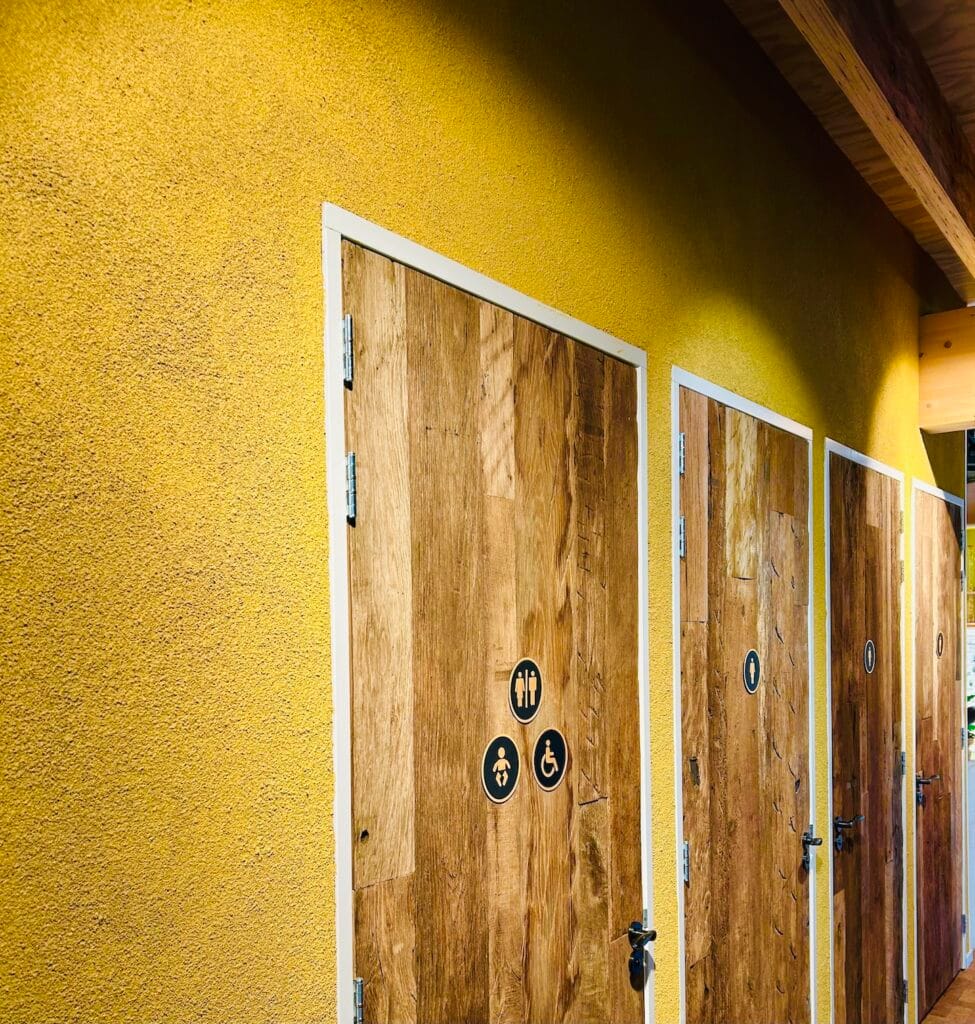
Biokurk afwerking, voor binnen en buiten toepassing
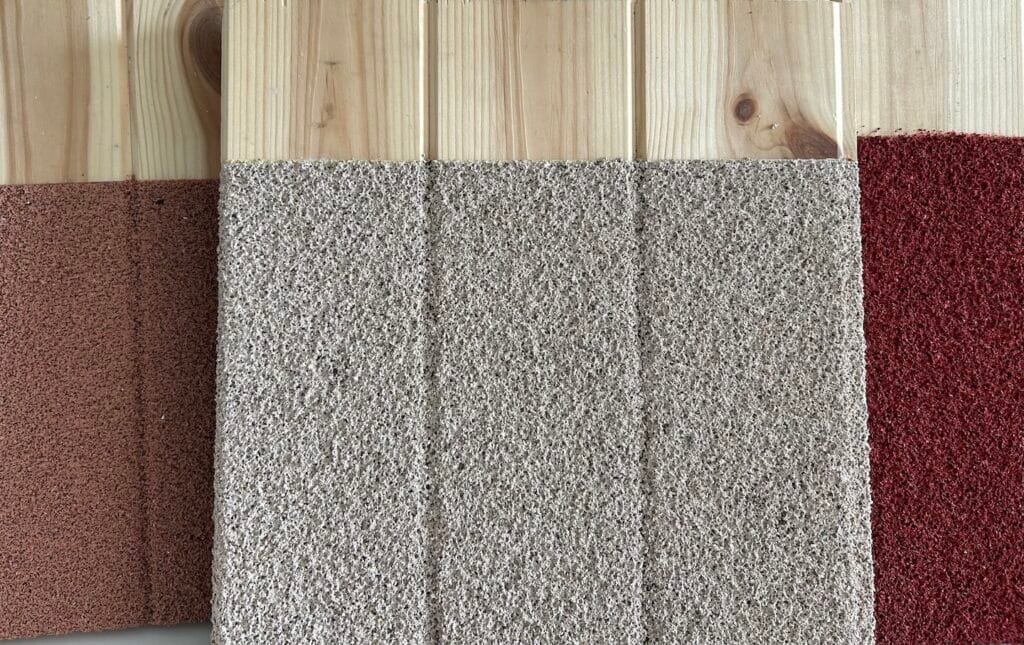
Er is een nieuwe afwerkingsvariant te krijgen van kurk. Een 100% biobased hernieuwbare versie van Charles van Reij, van Biocorkcoating uit Epse (Deventer). Opvallend eenvoudig aan te brengen. Charles is oud medewerker van Cradle-to-Cradle en kent veel details van duurzaam ontwikkelen. Van kurk is de lage CO2-impact bekend; zelfs negatief bij het oogsten. Een gevel van hout, leem, kalk, vlas, hennep, houtvezel of mycelium gebaseerd kan goed gecombineerd worden met de biocorkcoating. De coating behoeft in principe geen onderhoud. De thermische en akoestische verbetering kan ook een reden zijn om voor een kurk toepassing te kiezen of het overbruggen van scheurtjes e.d.
ALS HET NIET BIOBASED KAN, DAN - biobased - HERNIEUWD CIRCULAIR
CIRCQ werkt volgens een beproefde structuur; de bouwmaterialen en producten die David van Duffelen inkoopt van oogstpartners, worden onder zijn supervisie hernieuwd en via groothandel en aannemers als Dura Vermeer weer toegepast in projecten.
De producten hebben allemaal een volledige LCA en een registratie in de Stichting Nationale Milieudatabase. De uitstoot besparing ten opzichte van nieuw geproduceerde panelen ligt tussen de 70 en 90% CO2! Er zijn #Plafondpanelen #Gipsplaten #isolatiepanelen en #Akoestische #binnenwanden en #panelen verkrijgbaar.
Een heel duurzame oplossing, want geen afval, geringe transporten, geen nieuwe productieCO2 uitstoot. En niet duurder maar wel duurzamer aldus David van Duffelen.
Hernieuwbare producten - ook wel re-use of refurbish genoemd - bieden kansen voor het inzetten van biobased materialen:
Bij herstel en upgraden kan er bijvoorbeeld gedacht worden aan:
. Mais gebaseerd vilt (i.p.v.. PET vilt) van Het Stille Verzet
. een -acoustische en laadoverbruggende - kurk afwerking, van BioCorkCoating
. Wolvilt voor akoestische verbetering en verfraaing van het Hollands Wol Collectief
. of Re-use textiel, bij wandlatten constructies van i-did
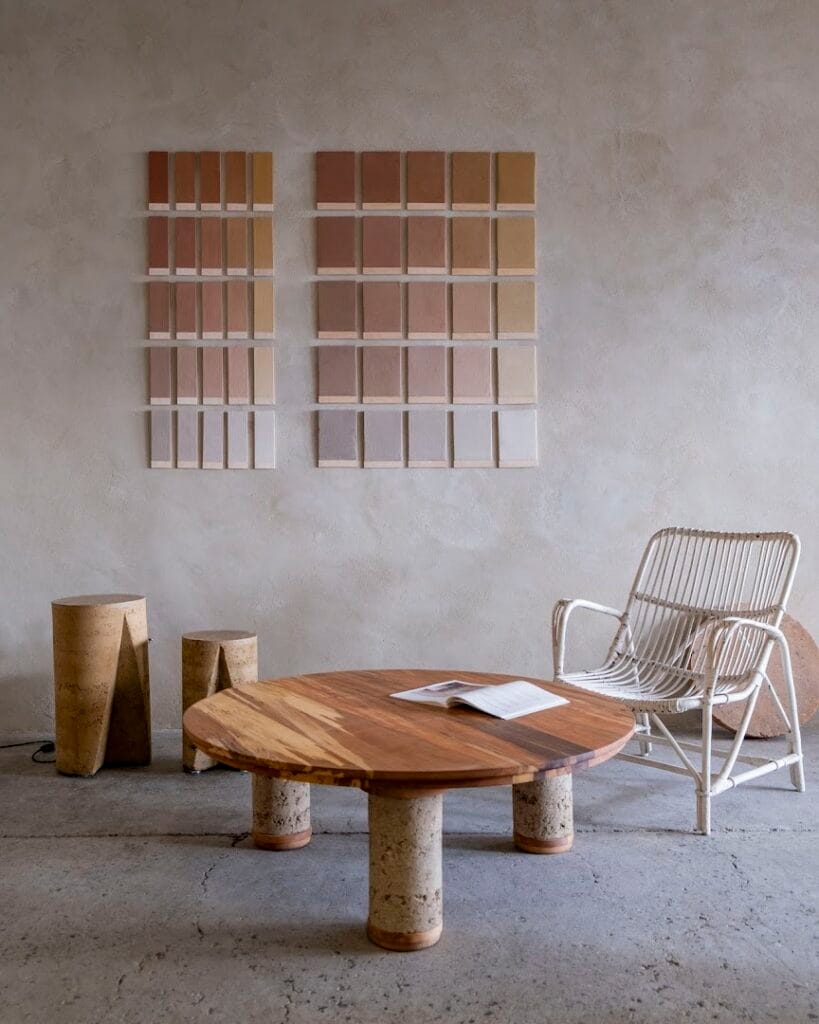
. Greenpaints B.V. verf of leemgebaseerde wandtegel afwerkingen van BC materials
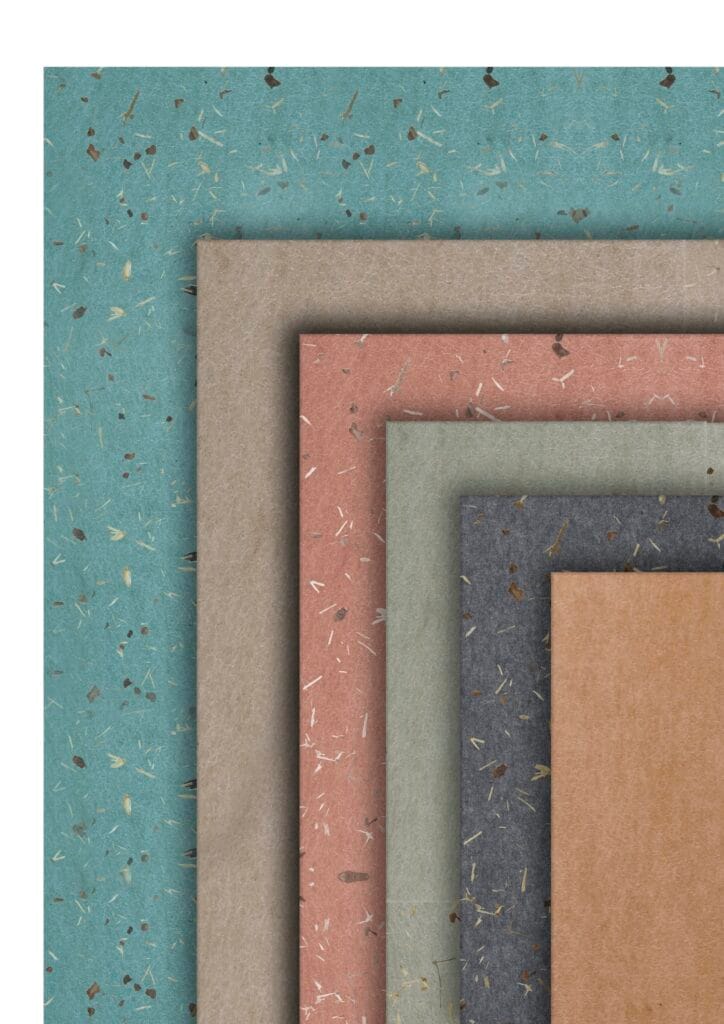
. crush on nature papierbehang en metershoge plant artworks op (recycle) glas
Goed ontworpen hernieuwbare producten zullen de aandacht en aantrekkelijkheid van dit segment zeer belangrijke producten richting een volledig circulaire (ver)bouw en inrichting, zichtbaar kunnen versterken.
(Product)tips? E-mail de redactie.
Biobased Producten kunnen binnen 24 h online geplaatst worden (kosteloos):
https://superbios.nl/product-maker-registratie/